
5 Everyday Signs Your Child Might Be Struggling (And How to Help Early)
As parents, we often expect challenges as part of growing up—but sometimes, those challenges can be signs that a child needs a little extra support.
The good news? When identified early, small struggles can turn into big opportunities for growth.
1. They Avoid Certain Activities
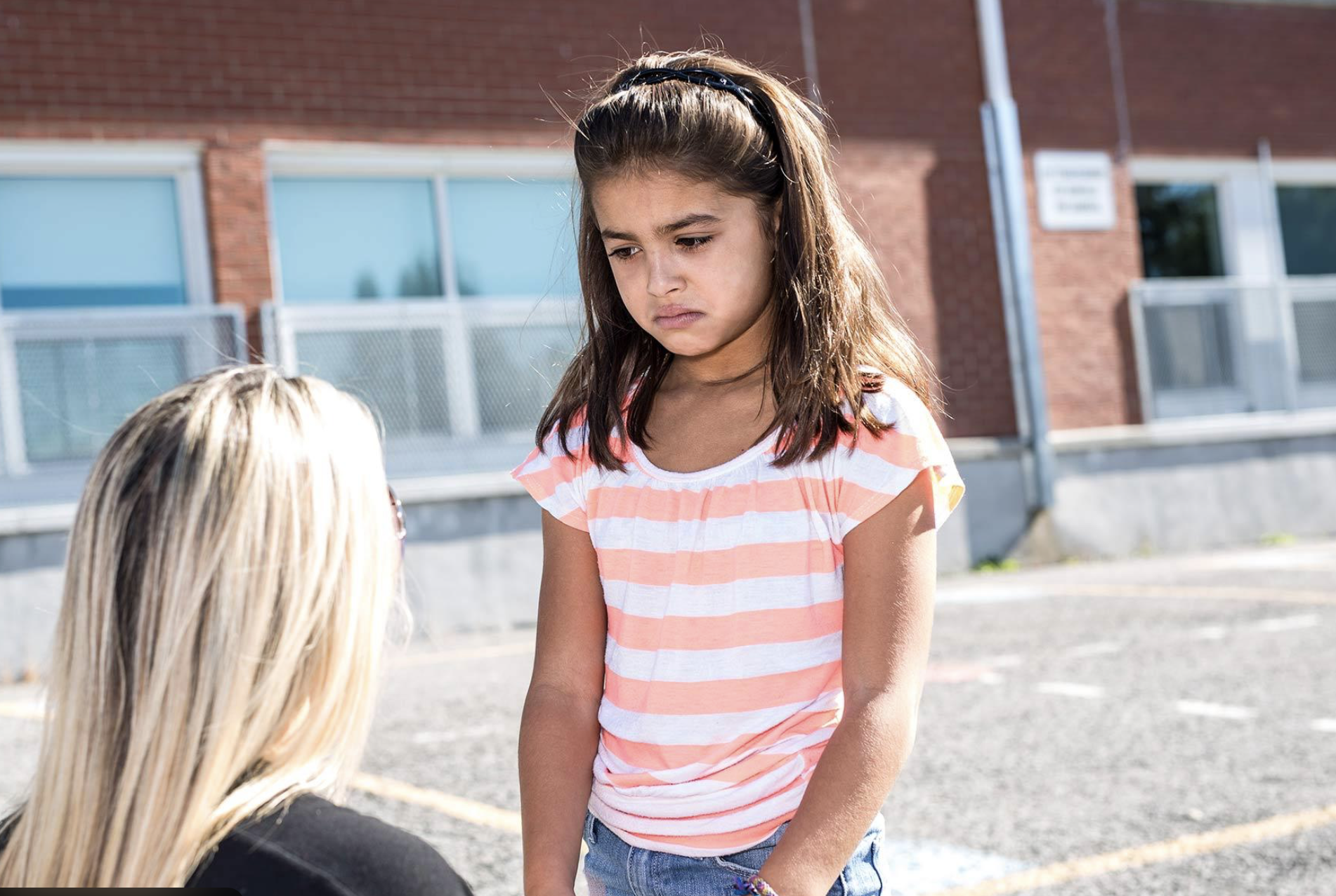
If your child consistently avoids activities like writing, drawing, sports, or even playtime, it may not be a lack of interest—it could be difficulty.
Avoidance is often a child’s way of saying, “This is hard for me.”
2. Simple Tasks Feel Like Big Challenges
Tasks like getting dressed, feeding themselves, or brushing their teeth should gradually become easier with age.
If your child becomes frustrated or overly dependent during these tasks, they may need support building independence skills.
3. Big Reactions to Small Problems
Does your child have strong emotional reactions to small changes or challenges?
Frequent meltdowns, frustration, or difficulty calming down may be linked to challenges in emotional regulation or sensory processing.
4. Trouble Keeping Up with Peers
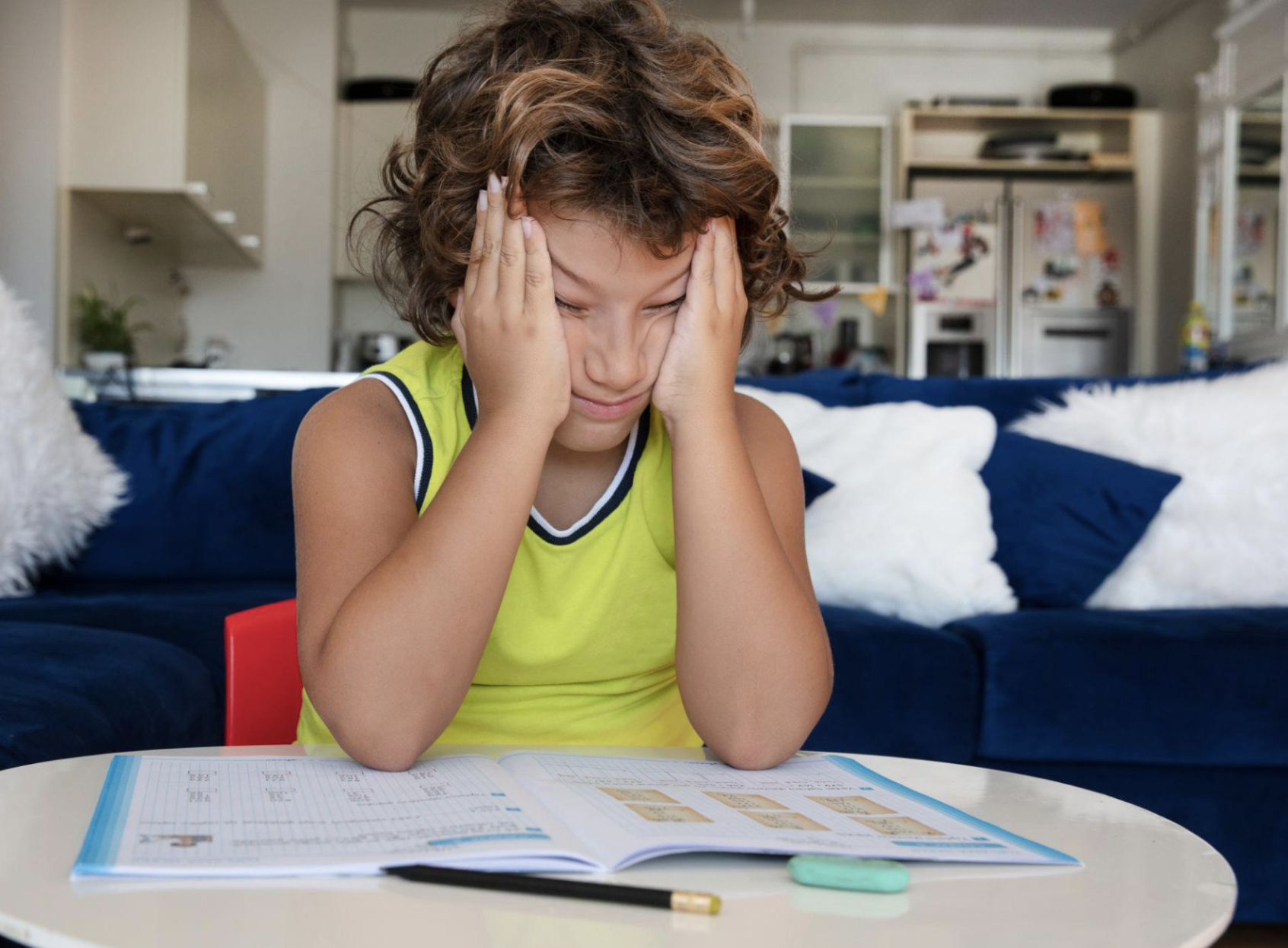
Every child develops differently—but if your child consistently struggles to keep up with peers in school, play, or communication, it may be worth looking into additional support.
Early help can prevent future academic and social challenges.
5. They Get Tired Easily During Activities
If your child quickly becomes tired during tasks like writing, sitting upright, or physical play, it may be related to strength, coordination, or endurance.
This can impact both school performance and daily routines.
What You Can Do as a Parent
If any of these signs feel familiar, you’re not alone—and there are simple steps you can take:
Observe patterns in your child’s behavior
Offer encouragement instead of pressure
Break tasks into smaller, manageable steps
Seek professional advice if concerns continue
How Rewired Therapy Supports Your Child
At Rewired Therapy, we focus on helping children build the skills they need in a way that feels natural, engaging, and supportive.
Through physiotherapy and occupational therapy, we:
Improve motor skills and coordination
Support emotional regulation
Build independence in daily activities
Help children feel more confident in their abilities
