
What Is Mental Health?
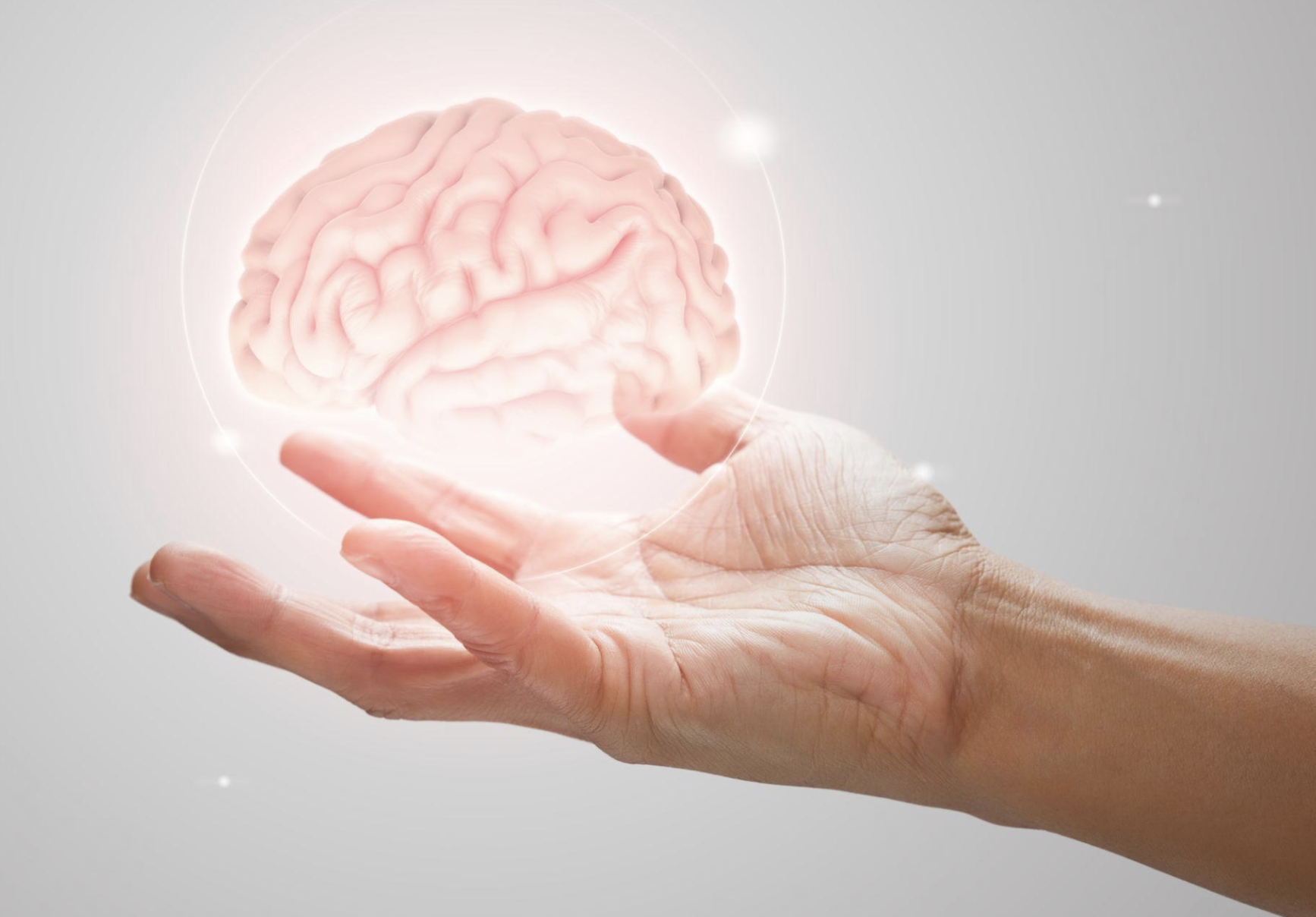
Mental health refers to your emotional, psychological, and social well-being. It affects how you think, feel, and act—and how you handle stress, relate to others, and make decisions.According to the World Health Organization, mental health is not just the absence of illness, but a state of well-being where individuals can cope with life’s challenges, work productively, and contribute to their community.
Why Mental Health Matters
Mental health is just as important as physical health. When it’s neglected, it can affect:
Daily functioning (work, school, relationships)
Physical health (sleep, energy, immune system)
Decision-making and behavior
The Centers for Disease Control and Prevention notes that poor mental health is strongly linked to chronic conditions like heart disease and diabetes.
Common Mental Health Conditions
Here are some widely recognized conditions:
Anxiety disorders – persistent worry, fear, or nervousness
Depression – prolonged sadness, loss of interest, low energy
Post-traumatic stress disorder – stress after traumatic events
Burnout – emotional exhaustion from prolonged stress
These are common and treatable with the right support.
Signs You Shouldn’t Ignore
Pay attention if you notice:
Constant overthinking or worry
Sudden mood changes
Loss of motivation
Difficulty sleeping or sleeping too much
Feeling overwhelmed or hopeless
If these persist, it’s important to seek help.
Evidence-Based Ways to Improve Mental Health
Research-backed strategies include:
🧘♂️ Mindfulness & Meditation
Studies published by the American Psychological Association show mindfulness can reduce stress and improve emotional regulation.
🏃 Physical Activity
Regular exercise is proven to reduce symptoms of anxiety and depression by boosting endorphins.
🗣️ Talking to Someone
Whether it’s a trusted friend or a licensed therapist, communication helps process emotions.
💤 Healthy Sleep Habits
Sleep plays a major role in emotional regulation and cognitive function.
📝 Journaling
Writing your thoughts can help you understand patterns and release emotional tension.
When to Seek Professional Help
Consider reaching out to a mental health professional if:
Symptoms last more than two weeks
Your daily life is affected
You feel unable to cope on your own
Therapies like Cognitive Behavioral Therapy are widely used and supported by research.
Mental health is not a luxury—it’s a necessity. Taking small steps daily can create meaningful improvements over time.
You don’t have to wait until things feel overwhelming. Start with awareness, build healthy habits, and seek support when needed.
📚 Sources & References
World Health Organization
Centers for Disease Control and Prevention
American Psychological Association
